
Aeolus-2 wind mission to improve energy forecasting
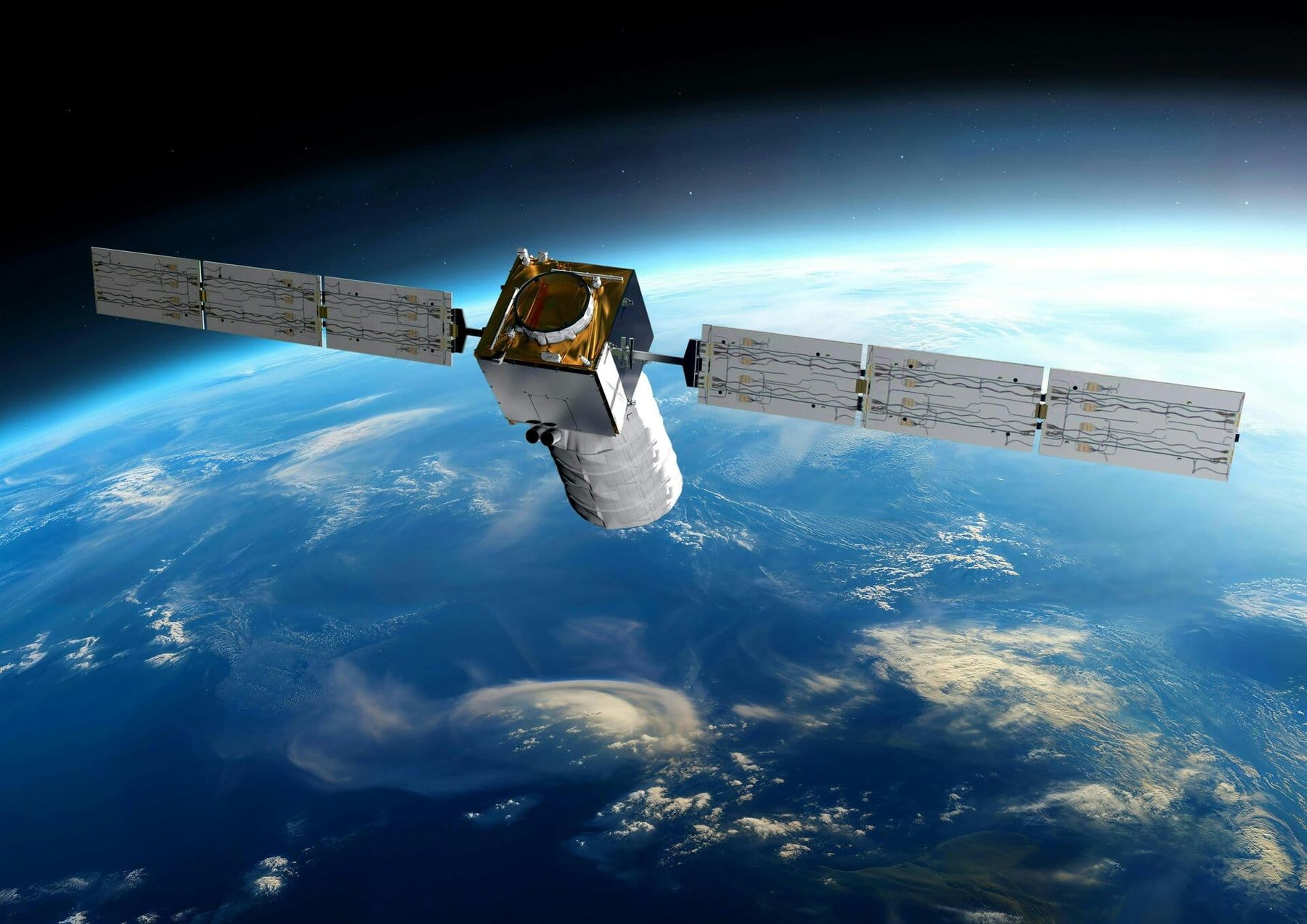
(SpaceEnergy) The UK's contribution to Europe's Aeolus-2 satellite mission is expected to improve wind forecasting for the energy sector by delivering more accurate global measurements of atmospheric winds, supporting renewable power generation and electricity system planning.
The UK Space Agency said Airbus Defence and Space UK has been authorised to proceed with building the spacecraft for the European Space Agency's Aeolus-2 mission, which is being developed in partnership with EUMETSAT. The satellite will carry a Doppler wind lidar capable of measuring wind speeds from ground level to around 30 km altitude.
Improved wind observations are expected to enhance weather forecasting and climate modelling, while providing more accurate predictions for sectors that depend on wind conditions. These include offshore wind generation, electricity network balancing and aviation, where better forecasts can reduce fuel consumption by improving flight planning and identifying jet stream conditions.
Aeolus-2 builds on the original Aeolus mission, whose wind measurements were incorporated into forecasting systems operated by organisations including the UK Met Office and the European Centre for Medium-Range Weather Forecasts (ECMWF). The follow-on mission is intended to transition the technology from a research programme into routine operational meteorological services.
The UK Space Agency also highlighted the sustainability legacy of the first Aeolus satellite, which completed a controlled assisted re-entry in 2023 using its remaining onboard propellant to lower its orbit before re-entering Earth's atmosphere. The approach reduced space debris risks and is expected to inform future satellite end-of-life operations.
Subject to final programme approvals, Aeolus-2 is scheduled for launch in 2034. The UK Space Agency said the mission will strengthen UK capabilities in Earth observation and weather resilience while providing benefits across sectors including energy, transport, agriculture, water management and emergency response.
Discussion