
BepiColombo sheds solar-electric transfer module at Mercury
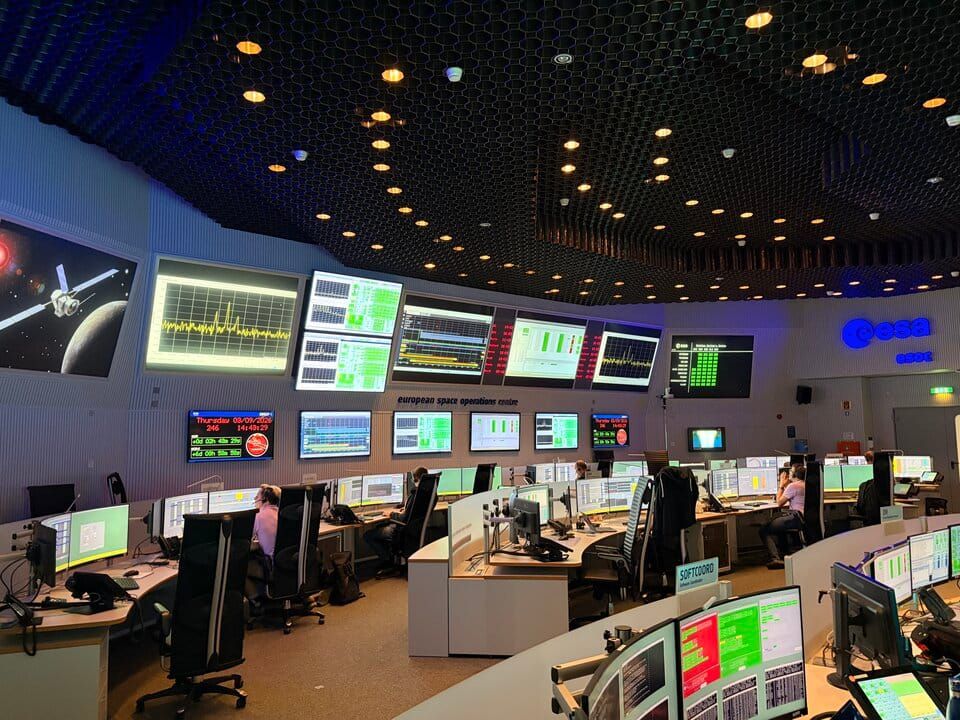
(SpaceEnergy) The European Space Agency (ESA) has confirmed BepiColombo successfully separated its solar-electric Mercury Transfer Module after the propulsion system carried the mission across the inner Solar System.
The module separated at 14:00 Central European Summer Time on 3 September, with ESA mission controllers receiving confirmation at 15:49 after the signal travelled about 200m kilometres to Earth.
The Mercury Transfer Module used two 15m solar-array wings to power the spacecraft stack and four ion thrusters to provide solar-electric propulsion. The system ionised xenon using solar-generated electricity and expelled the resulting plasma to provide continuous low thrust.
BepiColombo travelled 9.9bn kilometres during its eight-year cruise to Mercury and completed nine planetary flybys. ESA permanently switched off the transfer module’s solar-electric propulsion system on 15 June after its final thrust arc.
Following separation, the remaining European Space Agency and Japan Aerospace Exploration Agency spacecraft stack will use the Mercury Planetary Orbiter’s chemical propulsion system to refine its trajectory ahead of Mercury orbit insertion planned for 21 November.
Discussion