
JAXA and Innovative Space Carrier begin reusable rocket engine project
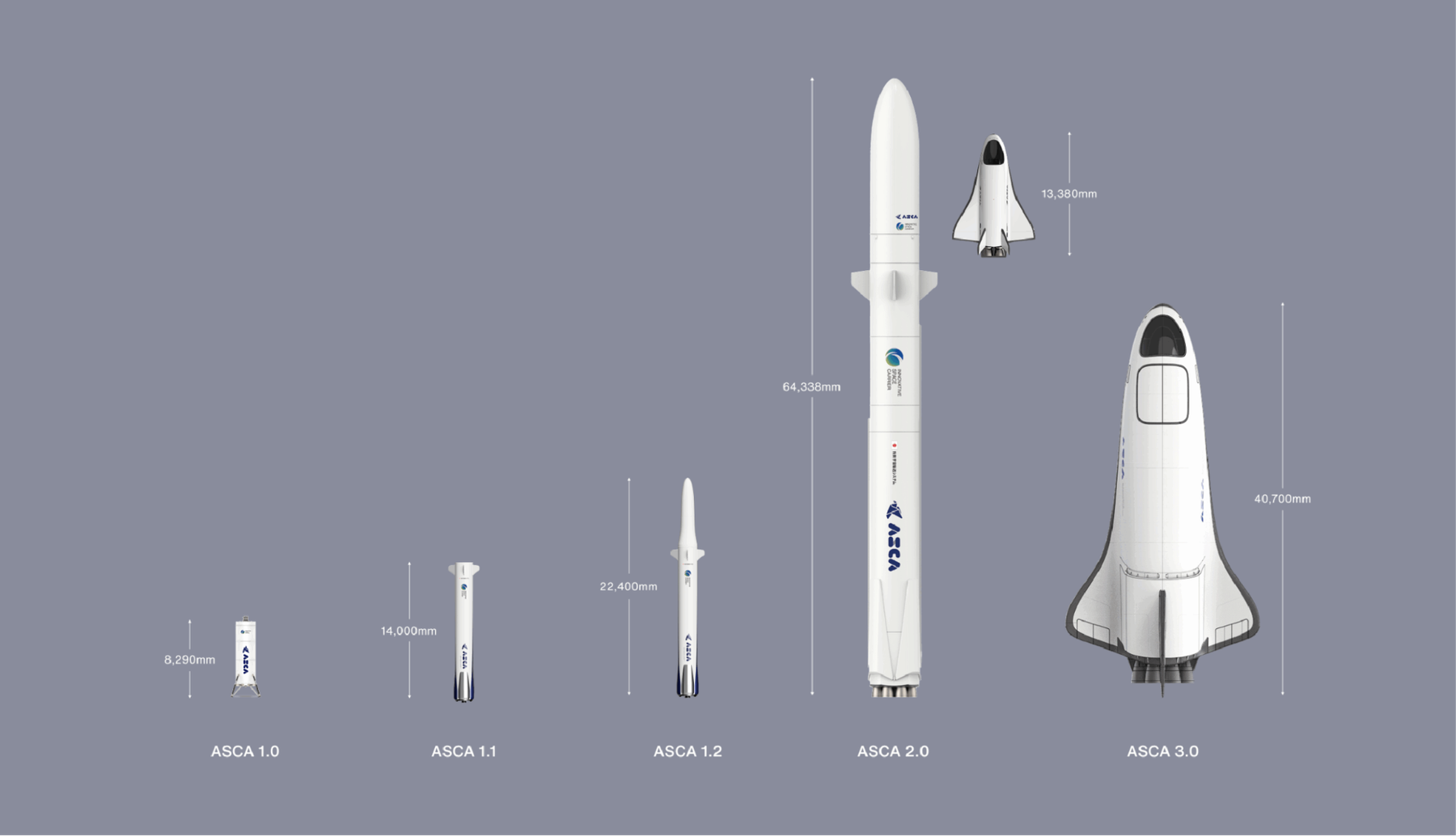
(SpaceEnergy) Japan's space agency JAXA and rocket developer Innovative Space Carrier have begun a joint project to improve engine and landing-system modelling for reusable launch vehicles, the organisations announced on 14 October.
The collaboration, which started in September, will combine experimental data from Innovative Space Carrier's (ISC) ASCA rocket development programme with modelling expertise developed through JAXA's reusable launch vehicle research.
ISC will conduct tests involving rocket engines and landing mechanisms, supplying JAXA with measurements of structural deformation, strain, fluid flow and pressure within engine piping.
JAXA will use the results to refine computer models designed to reproduce rocket behaviour, predict component damage and identify potential abnormalities.
The agency said the project would draw on modelling techniques developed through its Reusable Vehicle Experiment (RV-X) and Cooperative Action Leading to Launcher Innovation in Stage Toss-back Operations (CALLISTO) programmes.
The partners intend to develop modelling methods applicable to different reusable rocket designs rather than a single vehicle.
JAXA will also provide ISC with technical assistance in applying the models to its ASCA development programme.
The work is being undertaken through the JAXA Space Innovation through Partnership and Co-creation (J-SPARC) framework, which supports collaboration between the agency and commercial companies.
The partners said improved modelling could reduce development risks and accelerate the introduction of reusable launch vehicles capable of supporting more frequent, lower-cost space transportation.
The announcement does not establish that new engine tests have been completed under the collaboration.
Neither organisation disclosed the project's financial value, development timetable or specific flight demonstration targets.
Discussion