
Katalyst ends LINK mission after electric-propulsion recovery
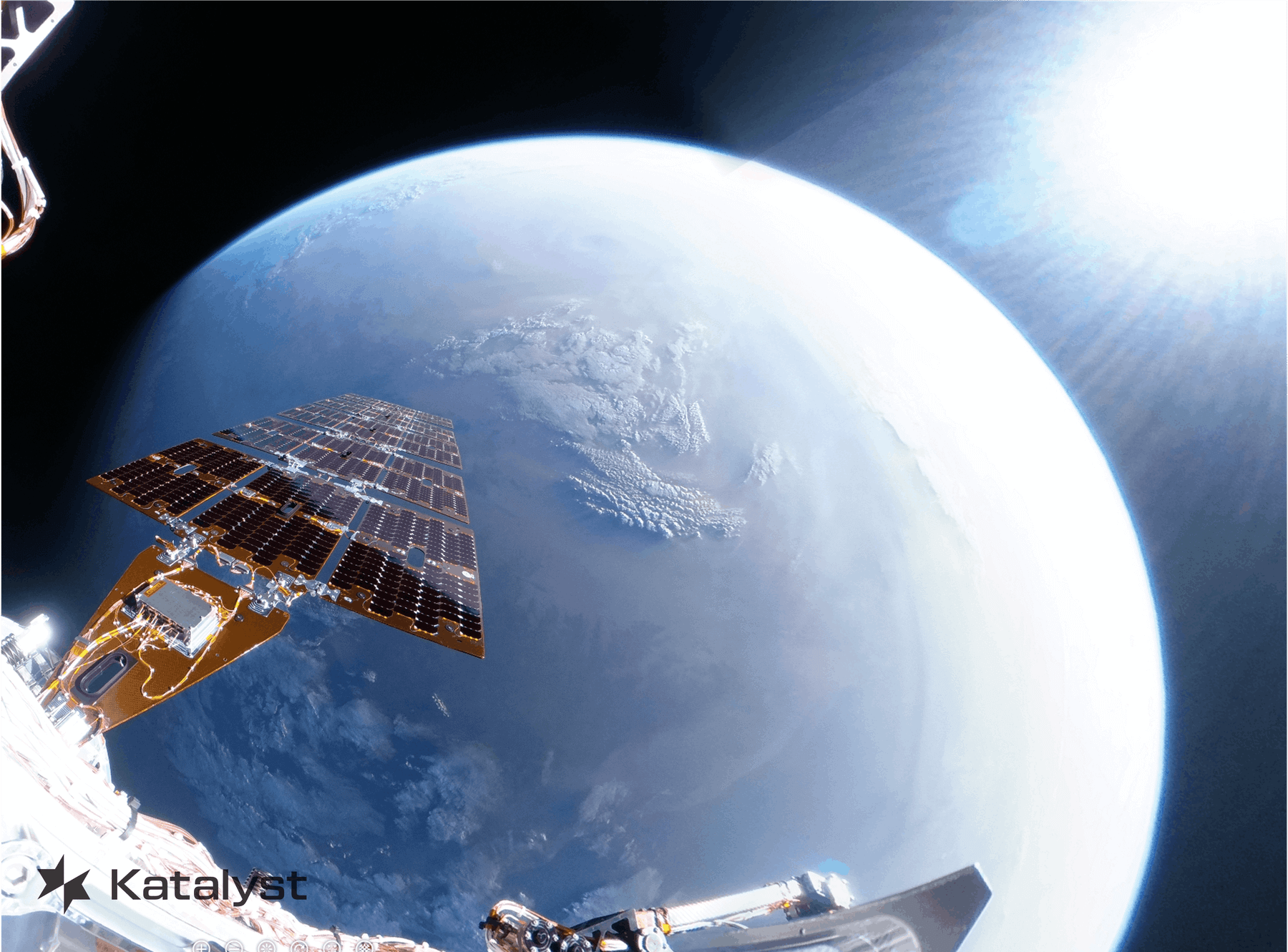
(SpaceEnergy) Katalyst Space’s LINK robotic spacecraft has re-entered after an 85-day mission that used Hall-effect propulsion to recover from an attitude-control failure but could not proceed with its planned satellite boost.
LINK entered a multi-axis spin during commissioning after an electrical power-system fault left two of its three reaction wheels unavailable. Katalyst subsequently combined reaction-control thrusters with the remaining wheel and used the spacecraft’s Hall-effect thrusters to reduce its body rate from about 9 degrees per second to 1.47 degrees per second.
The recovery allowed operators to upload new guidance, navigation and control software and establish limited attitude control. However, reliance on reaction-control thrusters increased propellant consumption, leaving insufficient fuel to safely capture and raise the orbit of NASA’s Neil Gehrels Swift Observatory.
Katalyst and NASA instead converted the remaining flight into a technology demonstration. LINK manoeuvred to within 12-15 km of Swift, while Katalyst exercised its three robotic arms and collected engineering data across the spacecraft’s systems.
The USD 30m mission launched on 3 July, nine months after Katalyst began developing the spacecraft following its September 2025 contract award. LINK re-entered Earth’s atmosphere on 25 September.
Katalyst said flight data and operational experience from LINK will feed into its NEXUS production spacecraft platform, which is intended to support several follow-on missions including the previously announced ASGARD orbital power-beaming programme.
Discussion