
Muon Space fires zinc-fuelled Hall thruster in orbit
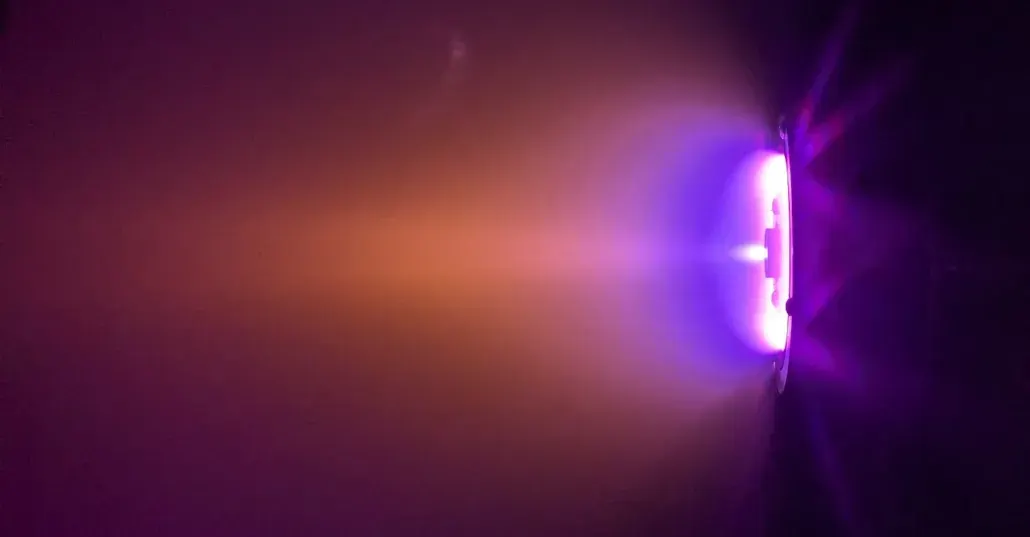
(SpaceEnergy) Muon Space has announced the first in-space firing of a zinc-fuelled Hall-effect thruster, validating its Starlight electric propulsion system aboard the dedicated SERT-III test spacecraft.
The company said the inaugural firing took place on 1 July and succeeded on the first attempt. Telemetry closely matched ground-test predictions, while orbital tracking measured a change in SERT-III’s orbit confirming that thrust was produced.
Muon said Starlight is the first entirely solid-metal-propellant Hall-effect thruster system to operate in space. The system vaporises solid zinc rather than storing xenon or krypton under pressure, removing pressurised propellant tanks and reducing dependence on constrained noble-gas supply chains.
Hall thrusters provide high-efficiency electric propulsion for orbit raising, station-keeping and deorbiting. Muon said zinc’s availability and room-temperature solid form could reduce propulsion cost, integration complexity and ground-handling requirements for large satellite constellations.
On-orbit measurements showed no adverse spacecraft effects from electromagnetic interference, power transients or plasma interactions, while measured zinc deposition was below the company’s conservative pre-flight contamination predictions. Initial telemetry indicated thrust and efficiency were meeting or exceeding design targets.
Muon plans to deploy the current-generation Starlight system on customer missions before the end of 2026. A higher-thrust second generation is scheduled for orbital testing in the first quarter of 2027, followed by a commercial mission that year.
Discussion