
NASA clears dual-mode propulsion CubeSat for launch
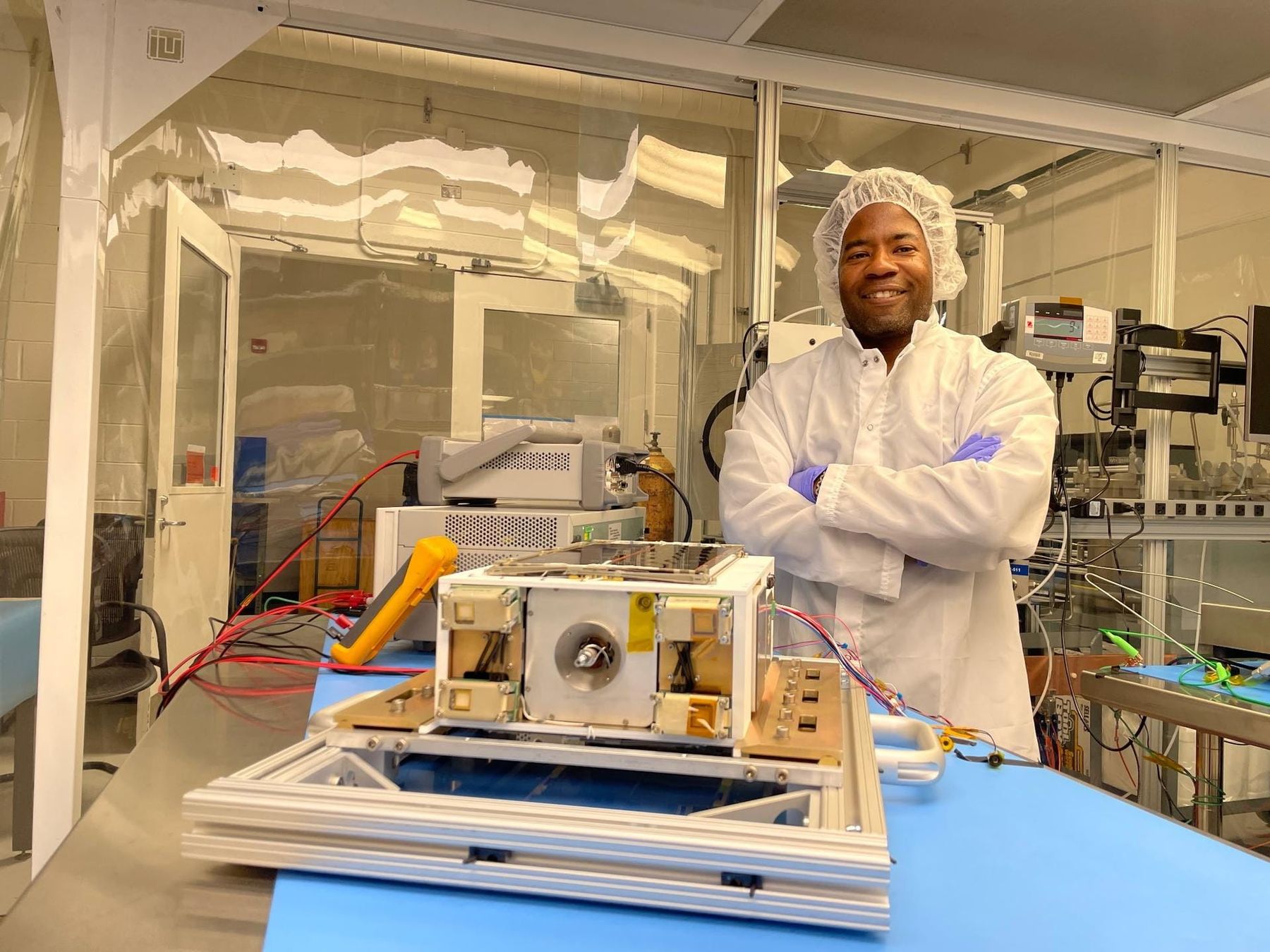
(SpaceEnergy) NASA has completed environmental and physical testing of a CubeSat designed to demonstrate chemical and electric propulsion using the same non-toxic propellant and a common fuel tank.
The Advanced Spacecraft Energetic Non-Toxic (ASCENT) Propulsion Dual Mode mission combines a high-thrust combustion engine with low-thrust electrospray thrusters, avoiding the separate tanks and plumbing normally required for the two propulsion systems.
Engineers at NASA's Marshall Space Flight Center completed pressurised helium leak testing, thermal-vacuum testing and a spin test of the 6U spacecraft. NASA said the leak test confirmed the integrity of seals in the shared propellant system.
Massachusetts Institute of Technology developed the electrospray thrusters, Plasma Processes built the chemical propulsion module and Georgia Institute of Technology integrated the spacecraft bus. Marshall manages the mission.
“Ensuring the functionality of the propulsion system across all these different teams is what makes the mission successful,” NASA project manager Nehemiah Williams said.
The spacecraft is manifested to launch no earlier than 1 October aboard a SpaceX Falcon 9 from Vandenberg Space Force Base in California.
NASA plans a nine-month mission at an altitude of about 325 miles. Following checkout, operators will conduct chemical and electric manoeuvres before alternating between the two propulsion modes for orbit raising and lowering.
The flight is intended to establish whether a single propellant architecture can provide both rapid high-thrust manoeuvres and efficient low-thrust propulsion while reducing spacecraft mass and volume.
Discussion