
NASA, IBM release AI model to map lunar ice prospects
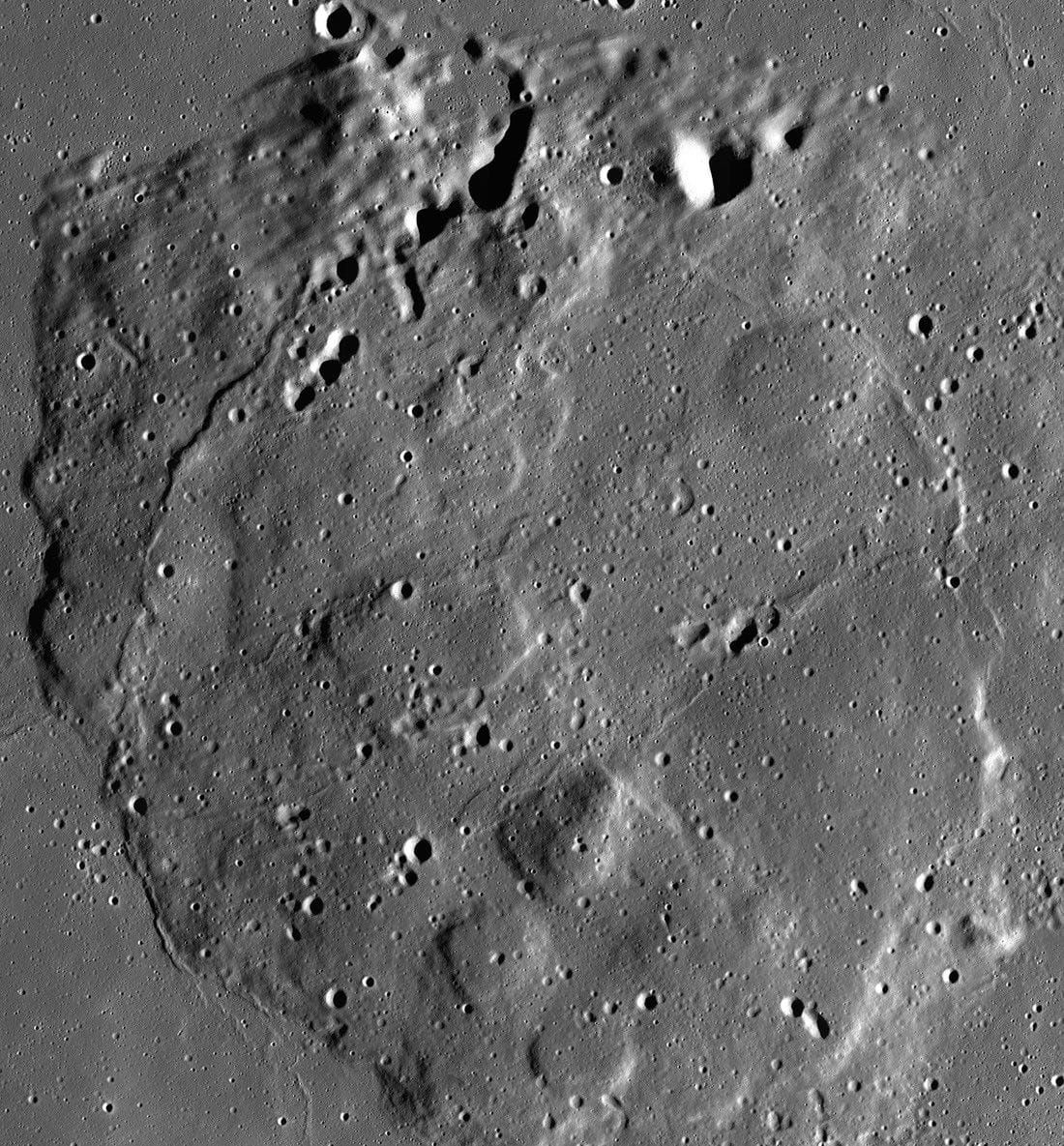
(SpaceEnergy) NASA and IBM have released an open-source lunar artificial-intelligence model designed to identify potential polar ice deposits and help map resources that could support future Moon operations and propellant production.
The NASA-IBM Lunar Foundation Model was trained primarily on Lunar Reconnaissance Orbiter observations, including more than one million high-resolution camera images and about 964,000 multispectral images. It also incorporates data from NASA’s GRAIL and Lunar Prospector missions and Japan’s SELENE/Kaguya mission.
NASA said researchers can fine-tune the model to estimate where ice could remain stable on and below the lunar surface. Permanently shadowed polar regions can preserve ice for billions of years, making them potential sources of water and feedstock for future exploration activities.
IBM said lunar ice indicates access to water and oxygen and could support production of rocket propellant for future missions. Testing reported by the partners showed the model reduced error in identifying areas with high ice potential by up to 22% against the cited comparison model.
The open release also includes a machine-learning-ready dataset combining more than 30 spatially aligned layers from nine instruments across four missions.
NASA chief science data officer Kevin Murphy said the model demonstrated the potential of AI to turn the agency’s large scientific datasets into new discoveries.
Discussion