
NASA rover tests target energy-efficient exploration
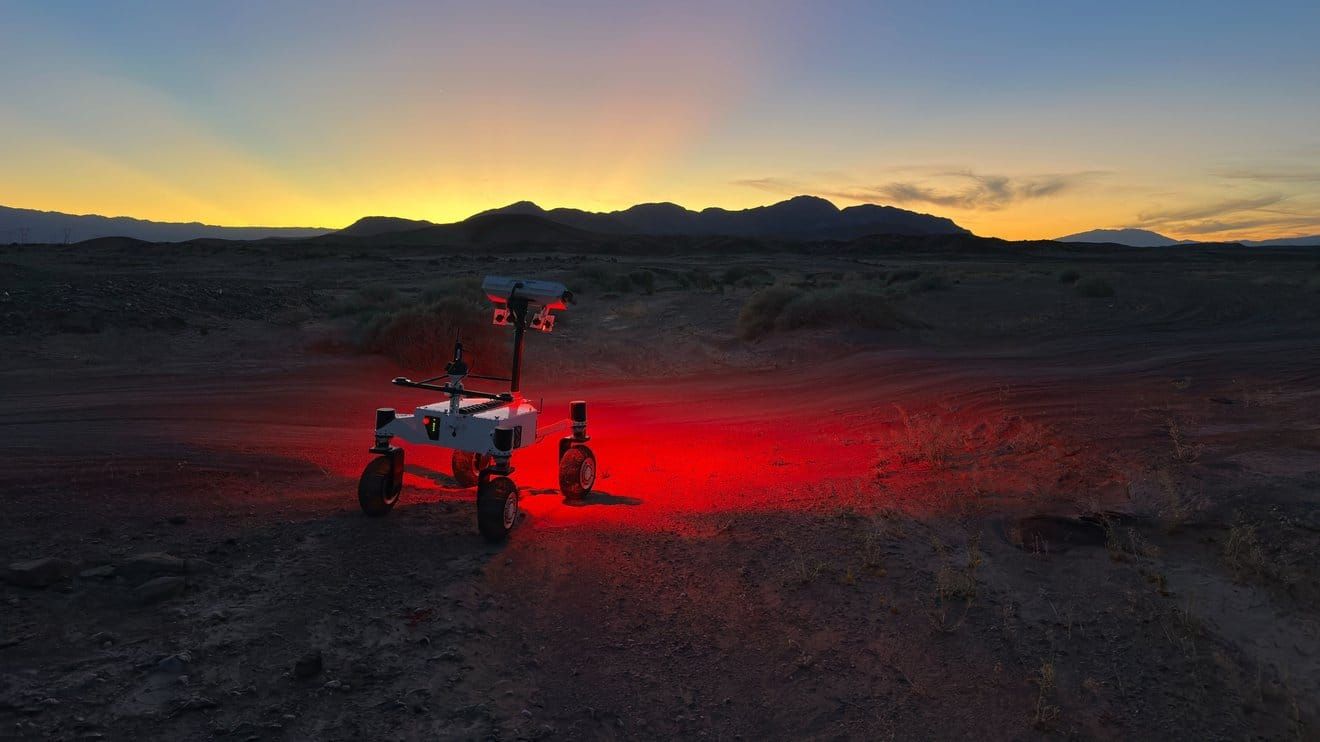
(SpaceEnergy) NASA's Jet Propulsion Laboratory (JPL) is testing a new generation of autonomous rover technology designed to improve the energy efficiency and operational range of future lunar and Mars missions, with advances in mobility expected to reduce power consumption while enabling vehicles to traverse more challenging terrain.
The prototype rover, known as ERNEST (Exploration Rover for Navigating Extreme Sloped Terrain), recently completed a week-long field trial in California's Colorado Desert, covering approximately 16 miles with minimal human intervention. The programme combines artificial intelligence, new suspension technology and independently steerable wheels to allow the vehicle to select energy-efficient routes and negotiate obstacles that would challenge conventional rover designs.
Energy management is a key consideration for planetary surface missions, where rovers operate under tight power budgets imposed by solar arrays or radioisotope power systems. By improving mobility and reducing the need for repeated manoeuvres or operator intervention, NASA aims to maximise the scientific return from each unit of stored energy while extending mission duration.
The rover's active suspension enables it to adapt continuously to uneven terrain, reducing wheel slippage and avoiding energy losses associated with difficult climbs or soft ground. Its onboard autonomy software, trained using reinforcement learning in a high-fidelity virtual simulation environment, allows the vehicle to assess terrain and make navigation decisions without waiting for commands from Earth, reducing communication delays and unnecessary power expenditure.
The technology is being developed as part of NASA's preparations for sustained exploration of the Moon and Mars, where longer traverses will require more efficient use of limited onboard energy resources. Enhanced mobility could also reduce the size and mass of future power systems by enabling rovers to accomplish more work with the same available energy, potentially lowering mission costs and increasing payload capacity.
NASA said the field tests are helping engineers refine both the rover's mobility hardware and autonomy software ahead of future planetary missions, with the lessons learned expected to inform the design of robotic explorers capable of travelling farther while making more efficient use of onboard power.
Discussion