
Rocket propellant index gains 2.6% on growing feedstock demand
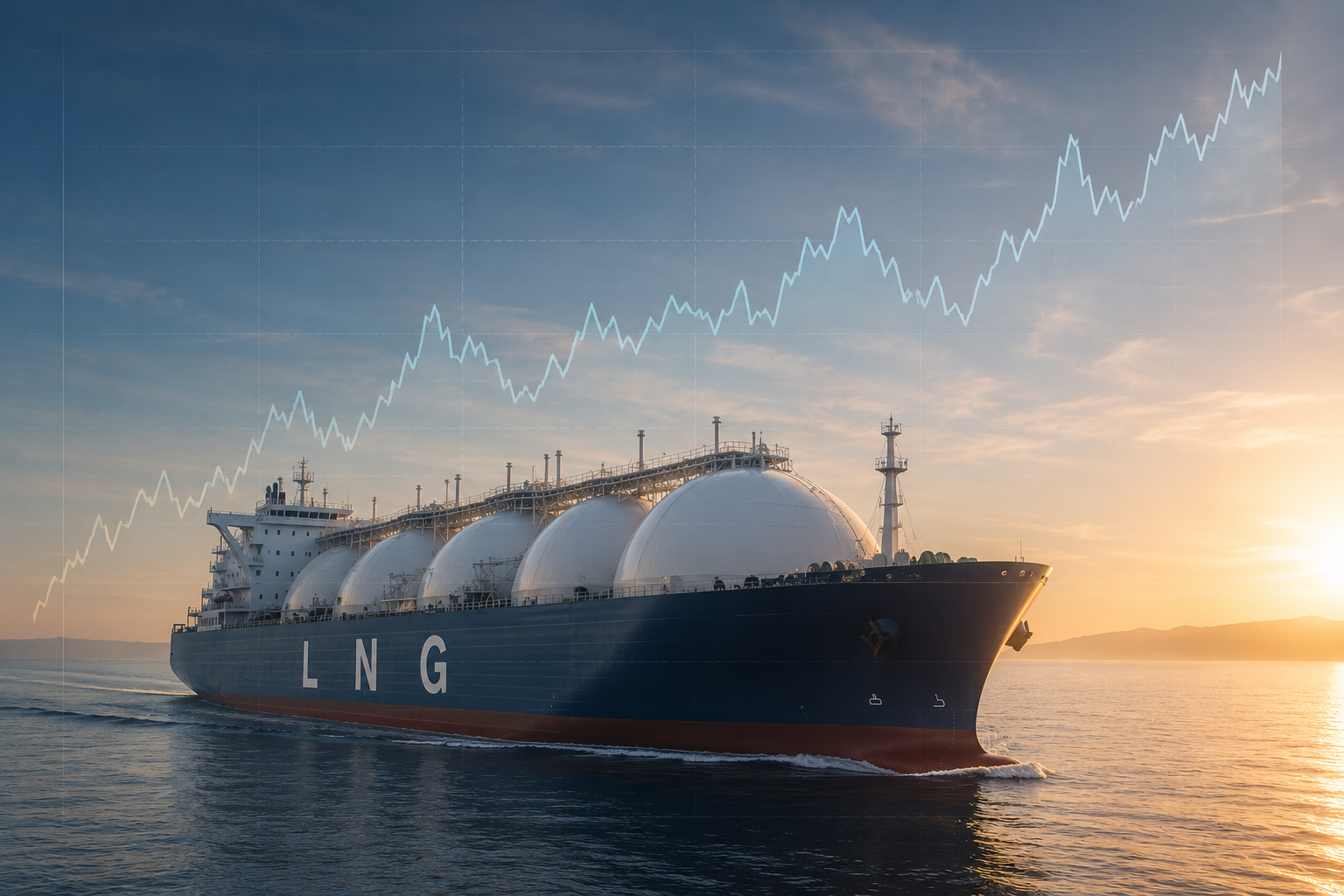
(SpaceEnergy) The SEI Rocket Propellant Index (RPI) gained 2.6% in the week ending 3 July to 89.07 points amid an upturn in demand for key feedstocks, such as gas and crude oil, with both markets still hampered by supply disruptions.
The principal driver of the rebound was SEI Methane Index (SEIMI), which rose 4.16% on the week to 107.02 points, with natural gas markets relatively firm as heatwaves across the Northern Hemisphere increased electricity demand for cooling, supporting gas-fired power generation.
At the same time, demand for LNG has remained robust, particularly in Europe and Asia, limiting available supply in key producing regions. Ongoing disruptions to shipping via the Strait of Hormuz is also keeping close to 20% of global supply from the market – from Qatar and the United Arab Emirates.
“No LNG tankers have moved to or from [Qatari export hub] Ras Laffan since 10 July,” Erisa Pasko, senior European gas analyst at consultancy Energy Aspects, told SpaceEnergy Intelligence.
“We think the recent escalation will slow down transit in the coming weeks, but not completely halt flows,” she said, noting Qatar would probably assess the situation for a couple of weeks before deciding whether to ramp up output again.
Maintenance activity at several gas processing and liquefaction facilities had also contributed to tighter market fundamentals, encouraging higher methane assessments.
The SEI Kerosene Index (SEIKI), the largest component in the basket, rose by a marginal 0.9% to 69.96 points amid relatively healthy seasonal aviation demand for jet fuel. But favourable refinery margins have encouraged an upturn in jet fuel production, thereby limiting gains as more supply enters the market. This followed improved crude availability amid the partial restoration of Middle Eastern exports via the Strait of Hormuz.
The SEI Hydrogen Index (SEIHI) gained 2.4% to 100.68 points, thanks largely to rising gas and power prices. Hydrogen pricing is influenced more by electricity costs, natural gas feedstock economics (for grey hydrogen) and long-term industrial contracts than by short-term oil market movements. Continued investment in hydrogen production capacity has been balanced by steadily growing industrial demand, helping maintain relatively stable market fundamentals.
Discussion