
Starship reaches orbit for first time on Flight 14
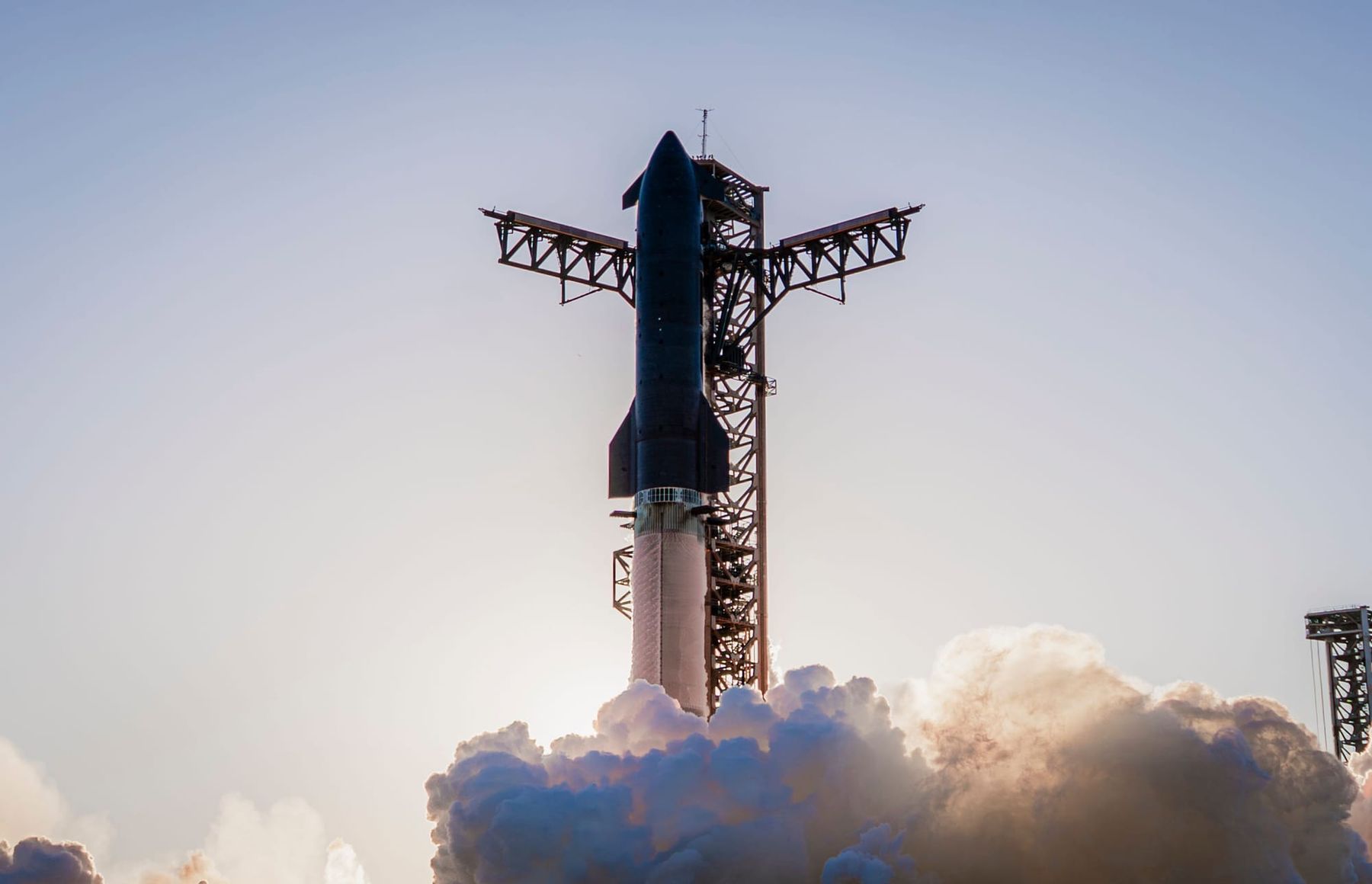
(SpaceEnergy) SpaceX’s Starship has reached Earth orbit for the first time, marking a propulsion and vehicle-development milestone for the methane-fuelled transportation system intended to support future lunar and deep-space missions.
Flight 14 lifted off from Starbase, Texas, using the Super Heavy booster and Starship upper stage. Starship subsequently performed an orbital insertion manoeuvre and deployed 26 operational Starlink V3 satellites.
The flight extended Starship operations beyond the suborbital trajectories used for the programme’s previous 13 integrated flight tests. SpaceX had identified reaching orbit, deploying operational satellites and conducting extended in-space operations as principal objectives for Flight 14.
Starship and Super Heavy use liquid methane and liquid oxygen in SpaceX’s Raptor engines. Development of the architecture is also relevant to NASA’s Artemis programme, for which a modified Starship is being developed as a lunar human landing system.
Flight 14 therefore represents a material propulsion-system milestone rather than the previously announced plan to attempt orbital flight: the vehicle demonstrated sufficient integrated propulsion performance to achieve Earth orbit and deploy an operational payload.
SpaceX is separately developing capabilities including long-duration cryogenic propellant management and orbital propellant transfer that will be required for planned lunar Starship missions.
Discussion