
NASA awards up to $171m to small firms, including lunar power projects
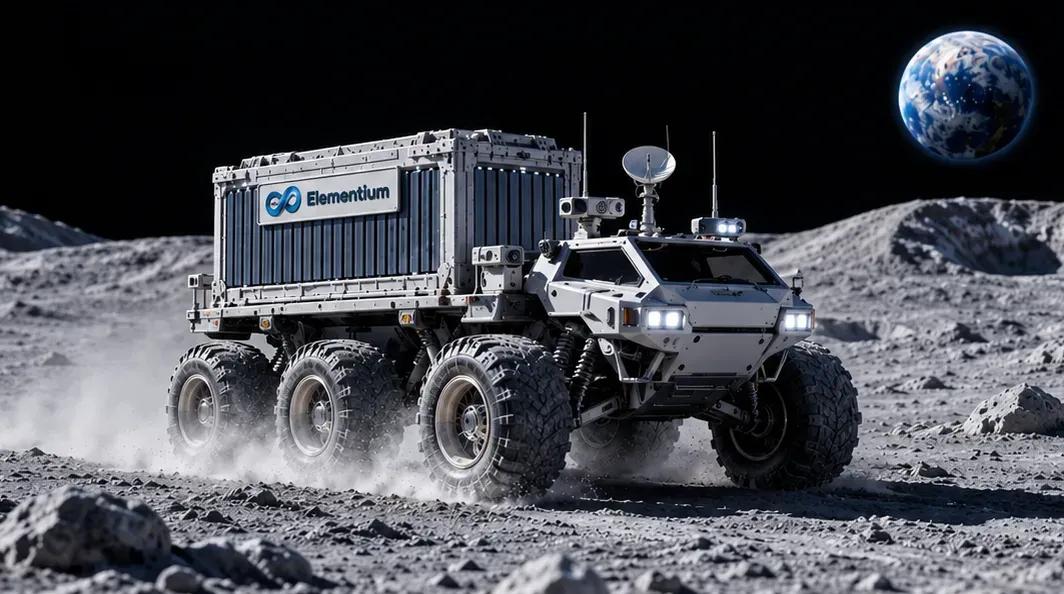
(SpaceEnergy) NASA has selected 302 small-business projects for up to $171m in seed funding, including rollable solar arrays for the Moon and Mars and an ultra-cold-tolerant battery module.
The US National Aeronautics and Space Administration announced the selections on 20 November 2026 under its Small Business Innovation Research (SBIR) and Small Business Technology Transfer (STTR) programmes. NASA said the work supports Artemis and a planned US Moon Base.
Phase I contracts are worth up to $225,000 each and are intended to establish “the merit and feasibility of their proposed innovation”, according to NASA.
Some are STTR awards to small businesses partnered with research institutions. NASA also awarded 98 Phase II contracts valued at up to $1.3m each, continuing Phase I projects selected in 2025 towards “demonstration and delivery of the innovative technologies”.
Among the power projects highlighted, an SBIR Phase II award for Opterus Research and Development Inc. supports development of “a modular system of rollable solar arrays” for the surfaces of the Moon and Mars. NASA said the arrays could be handled robotically, work in dusty conditions and scale to 50 kilowatts (50kW).
Elementium Materials Inc., selected for an SBIR Phase I award, is developing an ultra-cold-tolerant battery module that NASA said could operate down to −76°F (−60°C) without active heating, which could help equipment survive the roughly 14-day lunar night.
Other examples cited by NASA include an extendable robotic arm with cameras and touch sensors for lunar rovers from Intelligent Fiber Optic Systems Corporation, and two methods for preparing lunar regolith for reusable landing pads from Slate Geotechnical Consultants Inc. and the Colorado School of Mines.
The programmes sit within NASA’s Research and Technology Mission Directorate and are managed by NASA’s Ames Research Center in California. The awards are selections for funding of up to the stated values; NASA did not give a separate count of Phase I selections.
Discussion