
NASA opens bidding to design 20kW Lunar Reactor-1 for the Moon
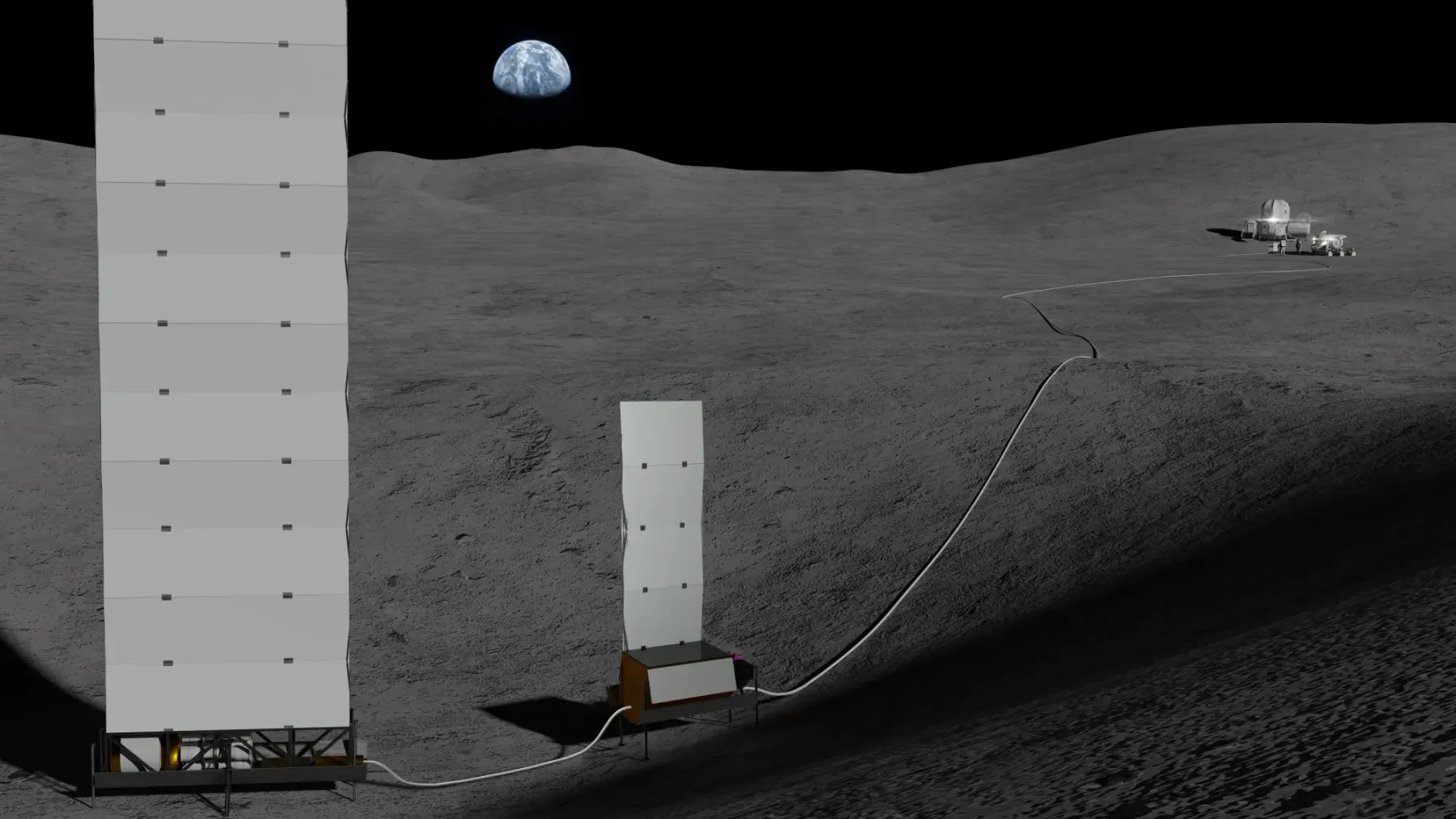
(SpaceEnergy) NASA has issued a request for proposals for industry partners to develop and test Lunar Reactor-1, a small fission power system it aims to have launch-ready for the Moon by 2030.
The National Aeronautics and Space Administration (NASA) said on 23 November 2026 that it was seeking industry partners to develop and test the first nuclear reactor designed to provide electricity on the Moon. The solicitation, the Space Power and Reactor Capabilities request for proposals, follows a draft released in August and an industry day held in September at the Ohio Aerospace Institute in Cleveland. Proposals are due by 21 December 2026.
According to NASA, Lunar Reactor-1 (LR-1) will be a small fission power system generating 20kW (kilowatts) of electricity, which the agency said was enough to power approximately 16 average US households annually on Earth. NASA said it aims to have a launch-ready system by 2030 and to operate it on the Moon for at least five years after deployment.
NASA said that, unlike solar power, a reactor can generate electricity through the roughly two-week lunar night. The solicitation requires the reactor to meet Department of Energy (DOE) safety standards for nuclear operations, and NASA said it may issue additional task orders to support the development of other space nuclear power systems.
LR-1 is managed by NASA’s Space Reactors Division in partnership with DOE. The same division is developing SR-1 Freedom, which NASA said is scheduled to launch in 2028 and will deliver three SkyFall helicopters to Mars while demonstrating nuclear electric propulsion.
“A reliable source of safe and abundant energy will be vital to future exploration of the lunar and Martian surface,” said Brian Giblin, NASA’s Lunar Reactor-1 program manager, who described the request for proposals as “an important step forward” as NASA partners with industry.
“Space nuclear systems will provide continuous power to NASA assets in any environment without dependency on sunlight,” he added.
The request for proposals is a procurement step; no contract has yet been awarded.
Discussion